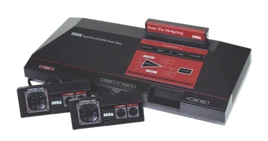

A Sweet Slice of Homebrew History on the Master System
Candy Kid (World) (Demo) (Aftermarket) (Unl) is one of those fascinating releases that demonstrates why the Sega Master System homebrew scene remains vibrant decades after the console's commercial lifespan ended. Created as an aftermarket and unofficial demo release, Candy Kid belongs to a growing movement of independent developers who continue pushing Sega's beloved 8-bit hardware in new and surprising directions. While it never received a mainstream retail launch, the project quickly gained attention among collectors, preservationists, and retro gaming enthusiasts eager to experience fresh content on classic hardware.
Unlike many commercial Master System releases from the late 1980s and early 1990s, Candy Kid emerged from a community driven by passion rather than market pressures. Its colorful presentation, approachable gameplay, and polished technical execution showcase just how much untapped potential remains within Sega's 8-bit architecture. For players who enjoy discovering hidden gems beyond the official library, Candy Kid represents an exciting chapter in modern retro development.
Why Candy Kid (World) (Demo) (Aftermarket) (Unl) Matters to the Homebrew Scene
The Master System homebrew community has experienced remarkable growth over the past two decades. Developers armed with modern programming tools, documentation, and hardware knowledge have created projects that rival commercial releases from the console's golden age.
Candy Kid stands out because it embraces the classic arcade-platformer formula while incorporating modern design sensibilities. Rather than simply replicating existing games, it demonstrates how contemporary creators can respect retro design principles while introducing their own ideas.
The demo version serves an important role within the preservation community. It offers players a glimpse into the development process, allowing enthusiasts to study mechanics, level design philosophies, and technical achievements before a project's completion. In many ways, demo builds become historical artifacts themselves, preserving a snapshot of development that might otherwise be lost.
Collecting Candy and Dodging Danger: Gameplay Breakdown
A Classic Platforming Foundation
At its core, Candy Kid follows the tradition of precision-based platformers that defined the 8-bit era. Players guide the cheerful protagonist through colorful stages filled with obstacles, hazards, and collectible items.
Movement is intentionally straightforward. Running, jumping, and navigating environmental challenges form the foundation of the experience. However, as with many great platformers, mastery comes from understanding momentum, timing, and stage layouts.
Level Design That Rewards Exploration
One of the most appealing aspects of Candy Kid is its emphasis on exploration. Hidden routes, bonus collectibles, and alternate approaches encourage players to examine every corner of each stage.
The demo showcases carefully designed levels that gradually introduce mechanics while increasing complexity. Early sections teach movement fundamentals, while later areas require precise jumps and quick reactions.
This gradual learning curve helps maintain accessibility while still offering enough challenge for experienced players.
Precision and Timing
Many platforming sequences demand accurate control inputs. Fortunately, the game's responsive movement system minimizes frustration. Success feels earned rather than arbitrary, a hallmark of strong platform game design.
Players chasing perfect runs will quickly discover opportunities for route optimization and speed-focused movement strategies, adding replay value beyond simply reaching the end of a stage.
Technical Achievements on Sega's 8-Bit Hardware
Creating a modern game for the Master System is no small feat. Developers must work within strict memory limitations, restricted color palettes, and processing constraints that would seem impossibly tight by contemporary standards.
Candy Kid demonstrates a deep understanding of the hardware's strengths. Character sprites are colorful and expressive, environments feature impressive visual variety, and animations remain fluid throughout gameplay.
The game manages to avoid excessive sprite flickering even during busy scenes. This optimization is particularly noteworthy given the console's hardware limitations.
Sound design also deserves recognition. The Master System's PSG audio chip is utilized effectively to create cheerful melodies and responsive sound effects that complement the game's lighthearted atmosphere.
Controller responsiveness is another highlight. Input latency remains low, allowing players to execute precise jumps without fighting the controls. For a platformer, this level of responsiveness is essential.
Playing Candy Kid Today Through Emulation
Modern emulation has made it easier than ever to experience homebrew Master System releases. Because Candy Kid is an aftermarket demo, many players will discover it through preservation projects and retro gaming communities.
Recommended Emulator Setup
- Use Genesis Plus GX for excellent Master System compatibility.
- Enable low-latency or run-ahead settings to reduce input lag.
- Use integer scaling for authentic pixel presentation.
- Apply CRT shaders for a period-correct visual experience.
- Create save states when practicing difficult platforming sections.
Popular emulators such as RetroArch, Kega Fusion, and BizHawk run the game smoothly. Most users will encounter no compatibility issues whatsoever.
4K Upscaling and Modern Displays
When rendered at 4K, Candy Kid benefits from remarkably clean sprite artwork. The bright color palette scales beautifully to modern displays, and CRT-style filters can recreate the appearance of classic televisions without introducing noticeable blur.
Unlike some early 3D titles that require HD texture packs or extensive graphical modifications, Candy Kid's pixel art remains visually appealing in its original form.
Steam Deck and Odin Performance
The Steam Deck, Odin handhelds, and similar portable retro devices are ideal platforms for Candy Kid. The game's quick levels and responsive controls make it perfect for short gaming sessions on the go.
Battery consumption is minimal due to the lightweight requirements of Master System emulation, allowing players to enjoy extended play sessions without concern.
The Legacy of a Modern Retro Gem
Although Candy Kid remains a demo release, its significance extends beyond its playable content. It represents the continued evolution of retro game development and demonstrates that classic platforms can still inspire new creative work.
The project has become a point of interest among Master System collectors and preservation enthusiasts who appreciate modern software developed specifically for vintage hardware.
As the homebrew community continues to grow, games like Candy Kid help keep the platform relevant for new generations. They prove that innovation is not limited to cutting-edge technology and that compelling gameplay can emerge from even the most constrained hardware environments.
Should a complete version eventually emerge, it would likely find a welcoming audience among fans of classic platformers and retro homebrew releases alike.
Frequently Asked Questions
Is Candy Kid a commercial Sega release?
No. Candy Kid is an aftermarket and unofficial homebrew project created independently of Sega's original commercial lineup.
What emulator works best for Candy Kid?
Genesis Plus GX and Kega Fusion provide excellent compatibility and accurate Master System emulation for the demo.
How do I fix graphical glitches in Candy Kid?
Most visual issues are caused by outdated emulator cores. Updating to the latest version and enabling accurate video settings typically resolves sprite rendering problems.
Can Candy Kid be played on real Master System hardware?
Yes. Depending on the ROM format and cartridge solution used, many enthusiasts successfully run homebrew titles on original Master System and Mark III hardware.
Candy Kid (World) (Demo) (Aftermarket) (Unl) may be a demo, but it serves as a compelling reminder that the Sega Master System's story did not end in the 1990s. Through dedicated homebrew developers and passionate preservationists, new adventures continue to appear on one of gaming's most beloved 8-bit platforms.


